How a Heating Company Helps Homeowners Upgrade to Efficient Central Heating and Air Systems
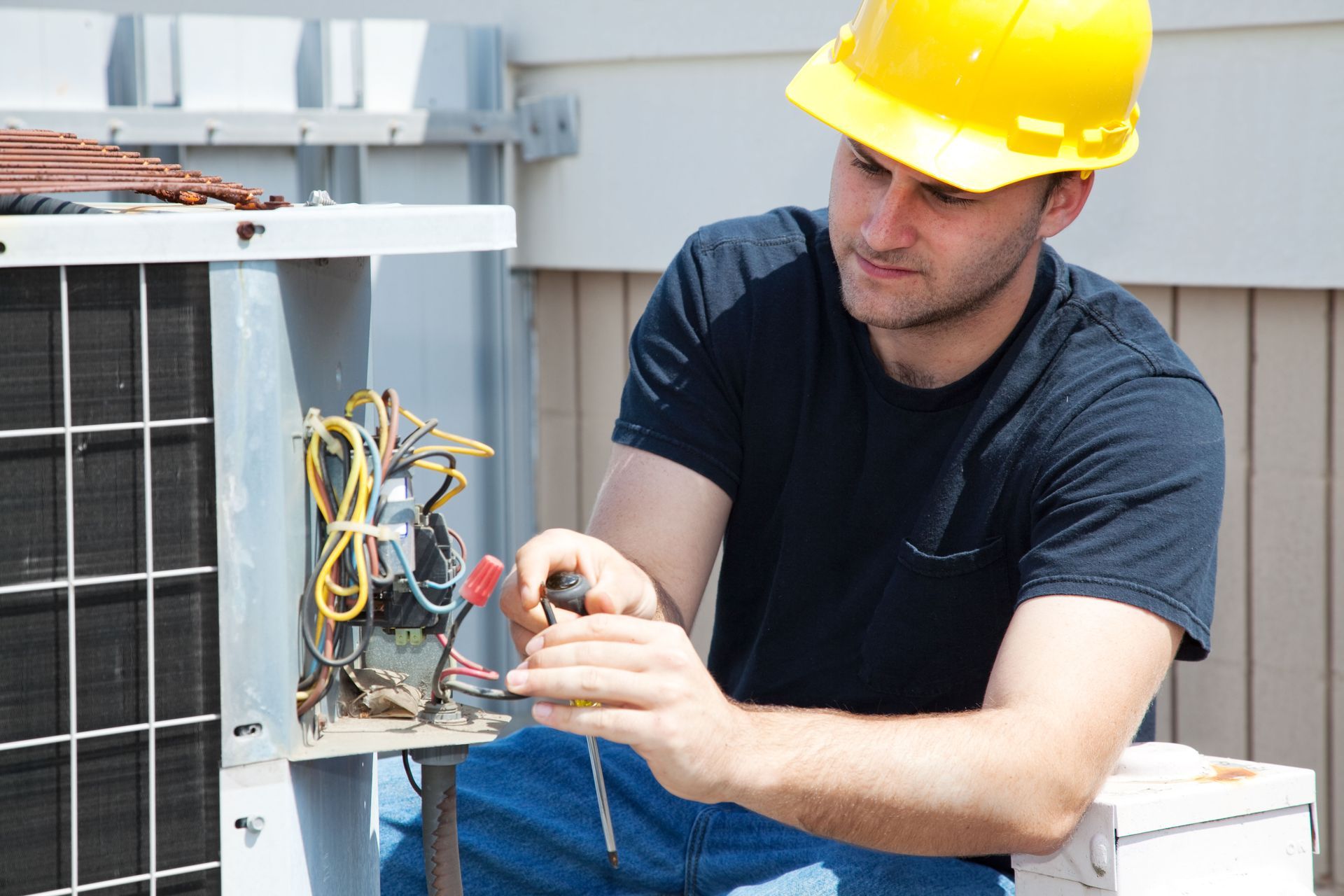
Modern homes and commercial spaces depend heavily on efficient heating and cooling systems to maintain comfort throughout the year. As energy costs continue to shift and sustainability becomes a greater priority, property owners are paying closer attention to how their systems operate. A qualified heating company often plays a central role in helping homeowners and businesses evaluate whether upgrading to a centralized system is the right move for long-term performance and comfort. These systems are designed not only for temperature control but also for improving overall indoor living conditions.
According to the Department of Energy, 88% of homes in the United States have air conditioning, and 66% have central systems. This widespread adoption highlights how common centralized climate control has become in modern living spaces. The growing preference reflects a shift toward systems that provide better energy management, improved air quality, and more consistent comfort across entire properties. Working with a heating company can help property owners better understand how these systems align with both lifestyle needs and long-term efficiency goals.
Improving Energy Efficiency and Cost Savings
Centralized heating and cooling systems are designed to distribute air more evenly throughout a property, which reduces the strain often placed on individual units. Instead of operating multiple standalone systems, a single coordinated system regulates temperature across multiple rooms. A heating company typically evaluates a property's layout to design a configuration that minimizes energy waste while maintaining balanced performance throughout the space.
One of the most noticeable benefits of this setup is the reduction in energy consumption. Because the system operates as a unified network, it avoids the inefficiencies associated with constant cycling from separate units. Over time, this leads to lower energy demand and more stable monthly utility costs. Many property owners find that a properly designed central system offers predictable performance that supports long-term budgeting.
Another financial advantage comes from reduced maintenance strain. When systems operate in a coordinated manner, wear and tear can be minimized compared to multiple independent units working simultaneously. A heating company can also recommend upgrades, such as programmable controls that further optimize energy use without sacrificing comfort.
Improving Indoor Air Quality
Central systems do more than regulate temperature; they also play an important role in controlling air quality throughout a building. Air is continuously circulated and filtered, which helps reduce the presence of dust, allergens, and other airborne particles. A heating company often incorporates advanced filtration solutions into system design to improve overall indoor health conditions.
Humidity control is another major factor in air quality management. When humidity levels are balanced properly, indoor environments become less favorable for mold and mildew growth. This helps maintain cleaner air and supports healthier breathing conditions for occupants. Balanced humidity also contributes to overall comfort, especially during seasonal transitions when outdoor conditions fluctuate significantly.
Proper system maintenance is also essential for maintaining clean airflow. Over time, filters and internal components can collect buildup that reduces performance if not addressed. Routine service performed or recommended by a heating company helps keep air moving efficiently while maintaining healthier indoor conditions for occupants.
Maintaining Consistent Comfort Levels
One of the defining advantages of central systems is their ability to maintain steady temperatures throughout an entire property. Instead of relying on localized heating or cooling, the system distributes air evenly to reduce temperature fluctuations between rooms. A heating company typically designs these systems to eliminate hot and cold spots that are common with older or standalone units.
Modern systems often include automated controls that adjust output based on usage patterns and environmental conditions. This allows the system to respond dynamically to changes without requiring constant manual adjustments. Over time, this leads to a more comfortable living environment where indoor conditions remain stable and predictable.
Multi-zone functionality further enhances comfort by allowing different areas of a property to be controlled independently. This is especially useful in larger homes or commercial spaces where usage varies from room to room. A heating company can configure zoning systems that balance comfort with efficiency, ensuring that energy is not wasted on unoccupied areas while still maintaining ideal conditions where needed.
Enhancing Property Value
Upgrading to a centralized heating and cooling system can significantly influence a property's market appeal. Buyers often view modern HVAC systems as a sign of well-maintained infrastructure and long-term efficiency planning. A heating company may recommend system upgrades specifically aimed at improving resale attractiveness.
Beyond immediate comfort, central systems represent a long-term investment in property functionality. Their efficiency and durability contribute to reduced operational costs, which can be appealing to future buyers. Homes equipped with modern systems often stand out in competitive real estate markets due to their improved performance features and reduced maintenance expectations.
Additionally, updated systems often align with current building standards and energy expectations. This alignment can positively impact appraisal value and overall market positioning. Working with a heating company helps ensure that system upgrades are properly integrated, supporting both current use and future resale considerations.
Reducing Environmental Impact
Energy efficiency directly influences environmental performance, and centralized systems are designed with this in mind. By reducing unnecessary energy consumption, these systems help lower overall carbon output associated with heating and cooling. A heating company often recommends system configurations that balance performance with environmental responsibility.
Modern systems may also incorporate environmentally conscious refrigerants and components that reduce harmful emissions. These updates reflect broader industry shifts toward sustainability and reduced environmental impact. As technology advances, central systems continue to evolve in ways that support greener building practices.
Efficient system design also reduces strain on energy infrastructure by optimizing how power is used throughout a property. This more controlled energy distribution helps reduce waste and supports broader sustainability goals. A Heating company can guide property owners toward system options that align with environmentally responsible practices without sacrificing comfort.
Advancing Technology and System Features
Technological improvements have significantly enhanced the performance and usability of central heating and cooling systems. Smart controls now allow users to adjust temperature settings remotely through connected devices, providing greater flexibility in managing indoor environments. A heating company often integrates these technologies during system installation or upgrades.
Self-diagnostic capabilities are another important advancement. These features allow systems to identify potential performance issues early, reducing downtime and preventing larger repairs. With guidance from a heating company, property owners can take advantage of these technologies to maintain smoother and more reliable system operation over time.
Central heating and cooling systems offer a wide range of advantages that extend far beyond simple temperature control. From improved energy efficiency and better air quality to enhanced comfort and increased property value, these systems are designed to support modern living standards comprehensively. A heating company plays an important role in helping property owners navigate system selection, installation, and long-term performance planning, making it easier to achieve consistent results across all areas of a building.
As technology continues to evolve, centralized systems will likely become even more efficient, adaptable, and environmentally conscious. For homeowners and businesses looking to improve comfort while managing long-term operational costs, exploring system upgrades with a
heating company can be a practical next step. To move forward with upgrading your heating and cooling system, connect with Webster Heating & Cooling to explore options tailored to your property's needs and long-term goals.