June 15, 2026
Keeping your HVAC system in good condition is essential for comfort in your home or business. A reliable system helps control indoor temperatures, supports air quality, and reduces the chance of costly breakdowns. Working with a local heating service can also make routine care easier because technicians understand the needs of homes and businesses in your area.
This article will guide you through practical and effective measures to extend the lifespan of your HVAC system, saving you money and improving efficiency. By adopting a proactive approach to maintenance and system management, you can enjoy a consistently comfortable environment while reducing the likelihood of costly repairs or replacements.
1. Regular Maintenance and Inspections
1.1 Importance of Professional Servicing
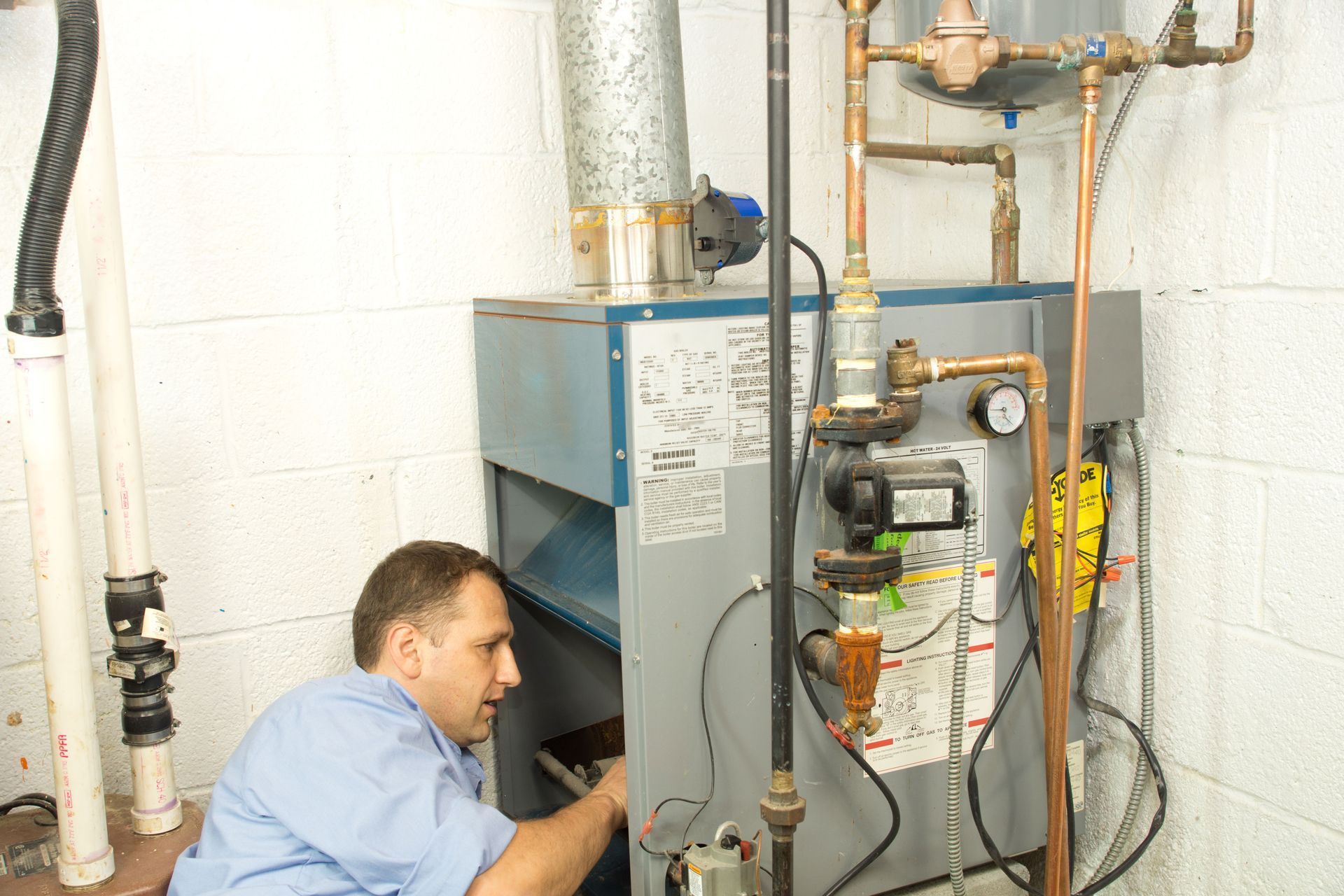
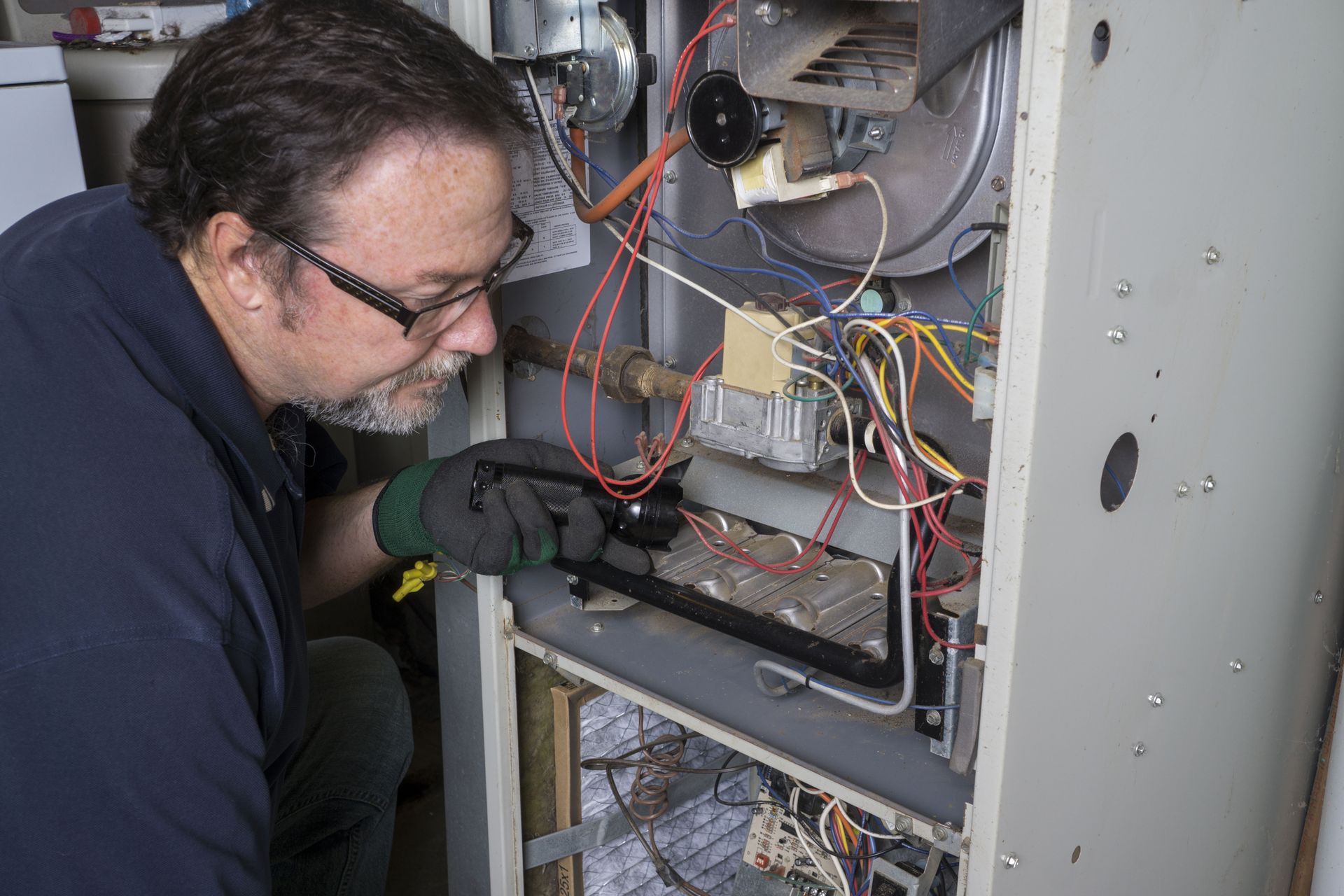
Regular professional servicing is crucial for maintaining the health of your HVAC system. Technicians can identify potential problems that may not be immediately apparent to the untrained eye. A local heating service can inspect your system, clean key components, and recommend repairs before small issues become expensive problems.
Scheduled inspections allow for early detection of issues, which can prevent more significant repairs down the line. Generally, having your HVAC system serviced at least once a year is recommended to keep it running efficiently. According to experts from This Old House, well-maintained HVAC systems can last between 15 and 20 years.
1.2 Creating a Maintenance Schedule
Establishing a consistent maintenance schedule is an effective strategy to help your HVAC system receive the attention it needs. This includes both professional servicing and simple checks you can perform safely on your own. A local heating service can help you plan seasonal visits based on the age of your system, the size of your property, and how often the equipment runs.
A maintenance schedule should outline key tasks like replacing filters, checking for unusual noises, and verifying proper airflow. Professional services can be scheduled annually to address more involved issues and conduct thorough system diagnostics. A disciplined approach to this schedule helps minimize disruptions and keeps your system in strong condition.
1.3 Identifying Common Issues Early
Early identification of common HVAC issues, such as refrigerant leaks or faulty wiring, helps prevent further damage and system inefficiency. Catching problems early means you can address them before they escalate into larger, more expensive problems. A local heating service can recognize warning signs that homeowners may overlook, including short cycling, weak airflow, strange odors, and uneven heating.
Early intervention can often involve simple repairs or replacements that save both time and money. Regular inspections help spot symptoms of wear and tear, giving you time to arrange for repairs. By taking action promptly, the overall lifespan of your system is preserved.
1.4 Keeping Service Records
Maintaining detailed records of all service and maintenance work performed on your HVAC system is essential for future reference. These records allow you to track the history of repairs and identify patterns or recurring issues that may indicate a larger underlying problem. When you use the same local heating service over time, the technician can refer to past work and better understand how your system has changed.
Documentation also aids technicians by providing insight into the system's history, making diagnosis and repair planning easier. Organized records serve as proof of diligent maintenance, which can be beneficial for warranty claims or resale value. Consistent record-keeping is a straightforward yet important part of system care.
1.5 DIY Maintenance Tips
There are several DIY maintenance tasks homeowners can carry out to keep their HVAC systems in good condition. Regularly replacing air filters is one of the simplest yet most effective actions you can take. Clear filters support unrestricted airflow, which reduces strain and improves efficiency.
Checking for leaks in ductwork and cleaning vents are other accessible tasks that can have substantial benefits. Still, DIY maintenance should not replace professional attention. A local heating service can handle deeper inspections, safety checks, and repairs that require training and proper equipment.
2. Efficient System Operation
2.1 Optimal Temperature Settings
Maintaining your HVAC system's performance includes setting it to an optimal temperature that meets comfort needs without excessive energy use. During summer months, setting your thermostat to around 78°F is generally recommended when you're home, and higher while you're away. In winter, around 68°F is considered balanced for effective heating.
Such settings help your system work efficiently rather than being overtaxed by unnecessary temperature extremes. Consistent optimal settings can lessen system strain and related wear. A local heating service may also recommend thermostat adjustments based on your system type and household routine.
2.2 Utilizing Smart Thermostats
Smart thermostats are valuable tools for enhancing the operational efficiency of your HVAC system. They allow for programmable, automated temperature adjustments that align with your daily routines and preferences. Features like learning capabilities and remote control access through smartphone apps provide additional flexibility.
By adjusting cooling and heating according to occupancy, smart thermostats conserve energy by reducing unnecessary system usage. This leads to energy savings and prolongs system service life. A local heating service can help install or configure a smart thermostat so it works properly with your existing equipment.
2.3 Zoning Your HVAC System
Zoning involves dividing your home or business into areas that are individually controlled, which can vastly improve system efficiency. With zoning, you can adjust settings for rooms or sections based on usage without affecting the entire system. This not only maximizes comfort in occupied spaces but also prevents energy waste in less frequently used areas.
Customized zoning helps each area receive the appropriate heating or cooling, reducing the load on the system. Effective zoning delivers both cost savings and a longer operational lifespan. A local heating service can assess whether zoning is a good fit for your property layout.
2.4 Avoiding Continuous Usage
Another way to increase the lifespan of your HVAC system is to avoid having it run continuously. Allowing the system to periodically rest can prevent overheating and reduce wear on components such as the compressor. Utilizing programmable thermostats to set your system’s activity according to daily patterns provides balanced operation.
Consistent breaks do not compromise comfort and have the added benefit of reducing energy costs. Practical operational habits are a significant part of sustainable system management. If your system seems to run constantly, a local heating service can check for airflow restrictions, thermostat issues, or equipment sizing concerns.
2.5 Energy-Saving Modes
Modern HVAC systems often come equipped with energy-saving modes that can significantly extend their lifespan when used effectively. These modes adjust system operations to reduce power consumption without compromising comfort. Implementing energy-saving settings at night or when the premises are unoccupied conserves fuel and lessens mechanical wear.
Besides, engaging such modes can positively impact your utility bills. By integrating these sustainable practices, your system operates more efficiently and remains resilient over time.
Following these steps can significantly extend the lifespan of your HVAC system while supporting reliable operation and improved energy efficiency. Regular maintenance, mindful operation, and strategic upgrades all play an important role in long-term performance. By working with a local heating service, keeping accurate records, replacing filters, protecting outdoor equipment, and responding quickly to warning signs, you can reduce unexpected repairs and keep your home or business comfortable throughout the year. Contact Webster Heating & Cooling today to learn more.